
Electromagnetic Field Compliance in the Energy Sector
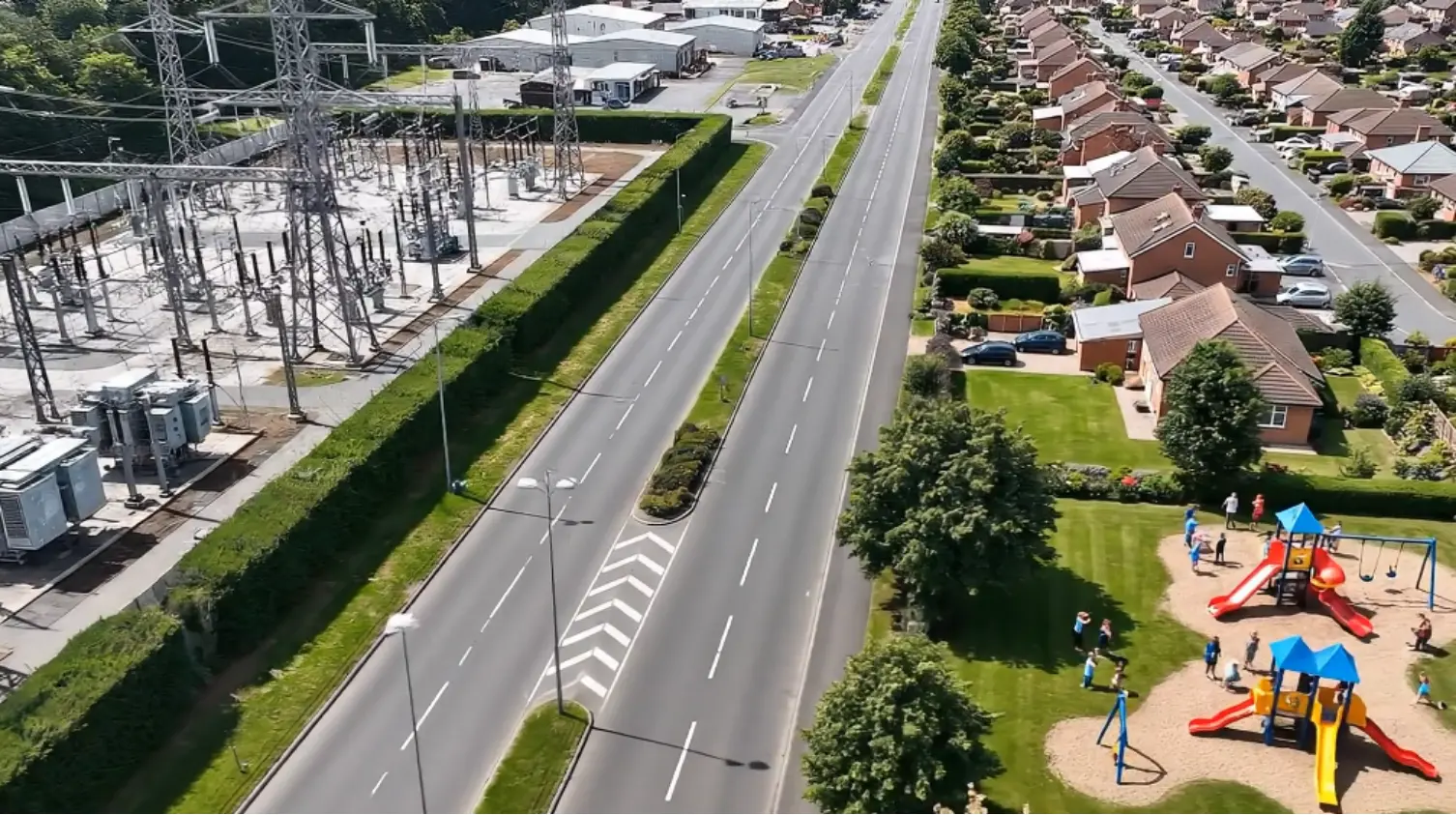
The energy sector operates complex electrical infrastructure spanning power generation, high-voltage transmission, and distribution networks. These systems generate low frequency electromagnetic fields (EMF) at every operational stage. Understanding and measuring these fields has become essential for regulatory compliance and maintaining the safety of workers and the general public.
Understanding Electromagnetic Fields in Energy Systems
Low-frequency electromagnetic fields are inherent to alternating current (AC) systems and energy storage facilities. These fields originate from high voltages and high currents present in power plants, transmission infrastructures, and electrical facilities worldwide.
The energy sector generates electromagnetic fields across multiple operating stages: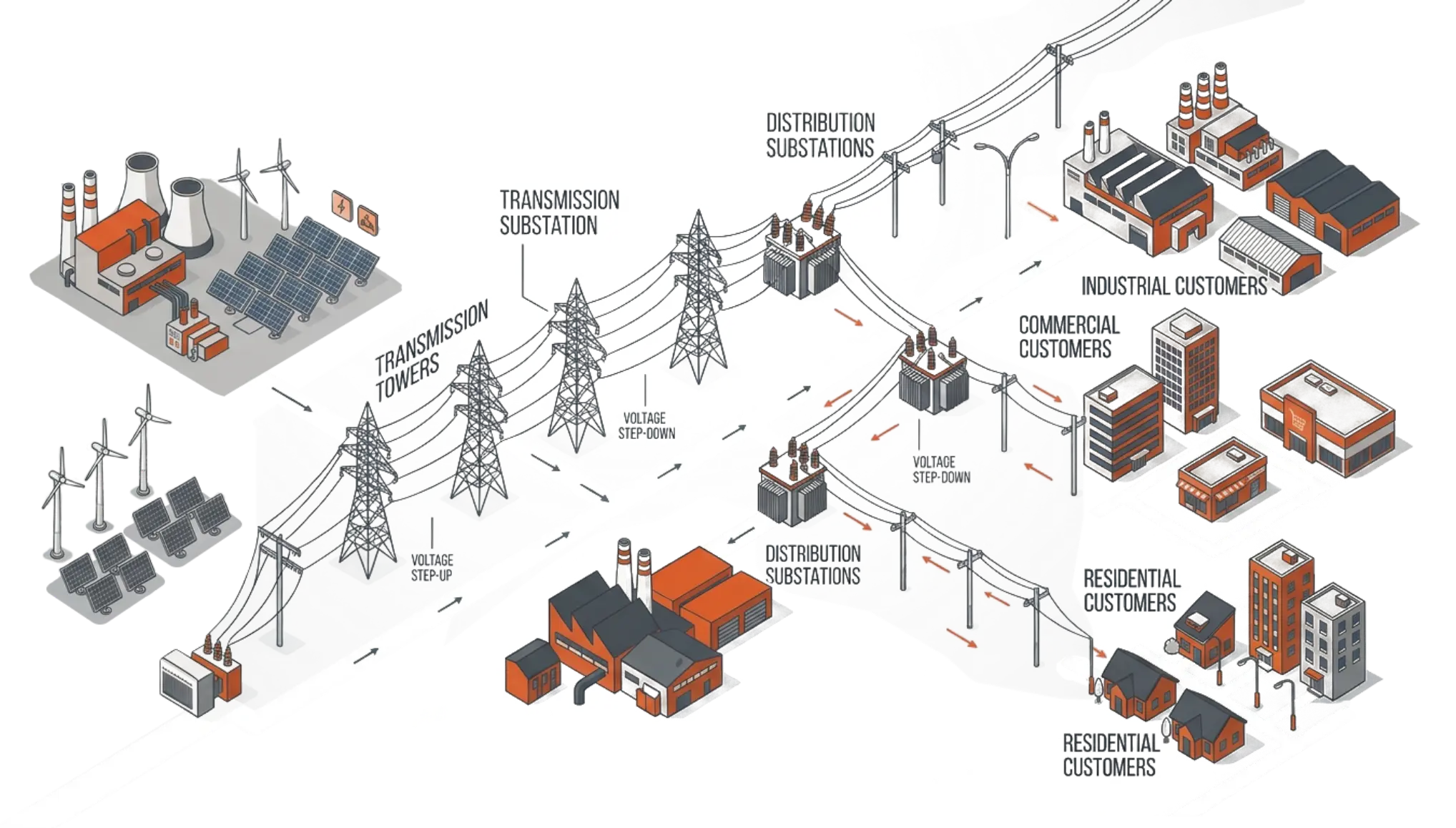
- Power Generation Facilities: Nuclear plants, thermal generators, and renewable energy installations produce EMF during electricity generation.
- Transmission Infrastructures: High-voltage transmission lines (typically 110 kV to 765 kV) create substantial electromagnetic fields.
- Substations: Transformer facilities step voltages up or down, generating localized EMF zones.
- Distribution Networks: Medium and low-voltage systems serving commercial, industrial, and residential consumers.
These electromagnetic fields operate predominantly at fundamental frequencies of 50 Hz (Europe, Asia, Africa) or 60 Hz (North America), along with harmonic frequencies extending into the kilohertz range.
Exposure Risks and Compliance Requirements
- Exposure Risks: Workers and General Public
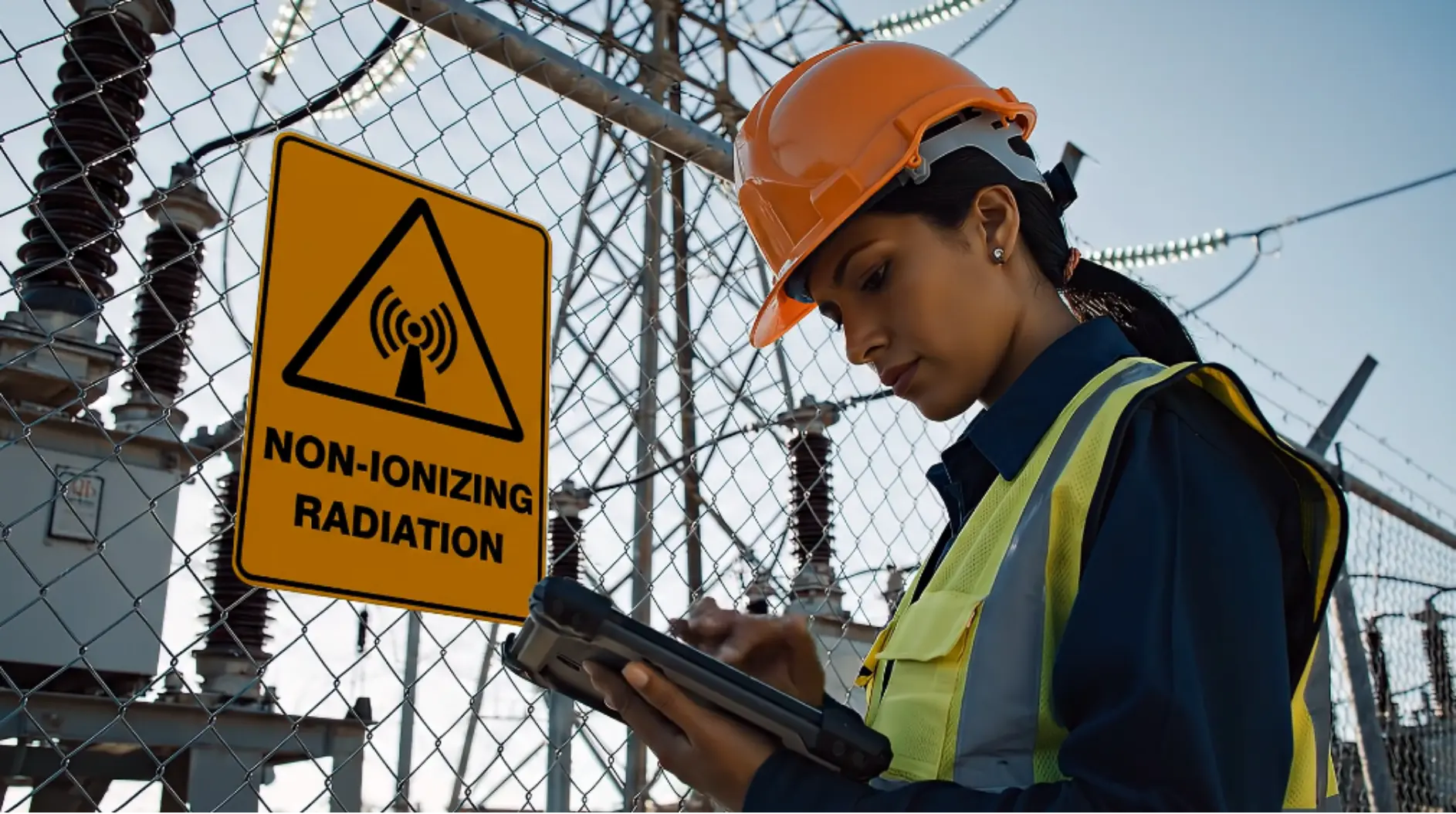
EMF exposure in energy operations can affect both workers and the general public. Occupational exposure occurs during maintenance, monitoring, and operational activities near high-voltage equipment, while public exposure may affect residential, commercial, and public areas located near transmission lines, substations, and other electrical infrastructure. Particular consideration may also be required for individuals with active implanted medical devices (AIMDs), such as pacemakers, as these populations can be more sensitive to electromagnetic environments and may require specific exposure assessments.
- Regulatory Standards and Compliance Requirements
International standards establish exposure limits and assessment methodologies to ensure regulatory compliance and verify that exposure levels remain within established limits. IEC 62110 provides the primary framework for evaluating EMF exposure around power installations, while EN 50647 and IEEE Std 644-2019 provide additional regional guidance and assessment methodologies. The ICNIRP Guidelines define the exposure limits used as a reference in many regulatory frameworks worldwide.
Compliance assessments typically require measuring both electric (E) and magnetic (H) field components at fundamental power frequencies (50/60 Hz) and relevant harmonic frequencies. This enables organizations to accurately assess exposure levels, verify compliance with applicable standards, and ensure exposure remains within established limits for workers and surrounding communities.
Wavecontrol’s EMF Measurement Solutions for the Energy Sector
Energy sector EMF assessments typically fall into three categories: on-site compliance testing, personal exposure monitoring, and continuous facility monitoring. Wavecontrol provides dedicated solutions for each application.
- On-Site Compliance Testing
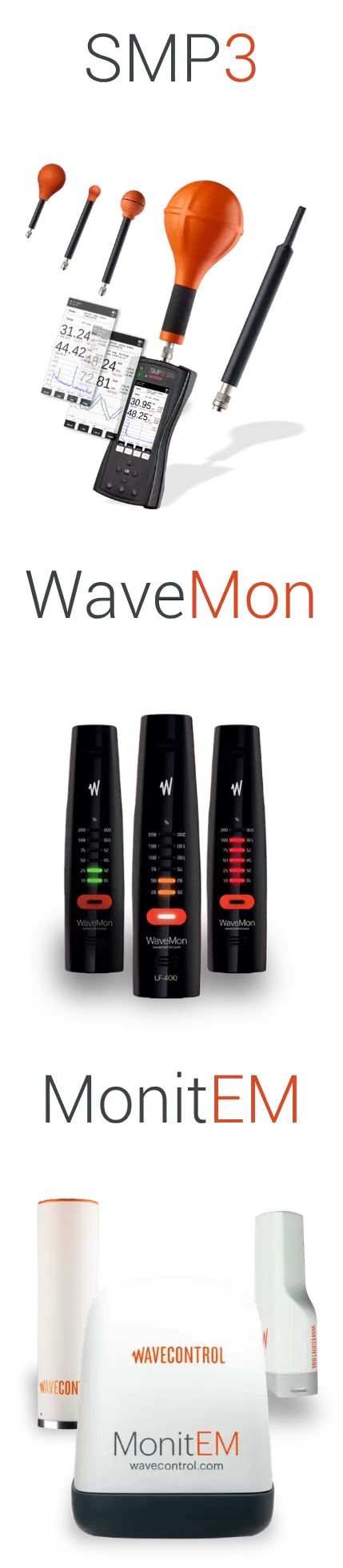
Portable measurement equipment is used to assess EMF levels at specific locations for compliance verification, site surveys, and exposure investigations. The SMP3 with WP series probes delivers fast and accurate electric and magnetic field measurements, supports international standards, and logs data for reporting and audit purposes.
- Personal Exposure Monitoring
Wearable devices provide continuous exposure monitoring for personnel working near EMF sources. The WaveMon LF personal monitor tracks exposure levels in real time, issues immediate alarms when predefined thresholds are exceeded, and records exposure data to support occupational safety programs.
- Continuous Facility Monitoring
Permanent monitoring systems provide 24/7 surveillance of EMF levels in substations, power plants, and other critical locations. The MonitEM continuously measures and records field levels, enabling real-time visualization, automated alerts, historical trend analysis, and ongoing compliance documentation.
Conclusion
EMF exposure in energy sector operations presents measurable risks requiring systematic assessment and documentation. International standards establish clear measurement requirements and exposure limits. Appropriate measurement solutions enable energy sector organizations to demonstrate compliance with regulatory frameworks while helping ensure the safety of workers and the general public.
Energy sector compliance with EMF standards is achievable through systematic assessment, appropriate measurement equipment, and documented reporting. Organizations seeking guidance on implementation should consult regional regulatory requirements and engage expertise in EMF measurement and assessment protocols.
Ready to implement EMF compliance assessment? Contact Wavecontrol to explore measurement solutions for your energy sector operations.
Download the Application Note: Energy Industry
This application note describes the measurement procedures used to assess human exposure to electric and magnetic fields.

Project supported by ACCIÓ’s International Promotion Programme

Follow