
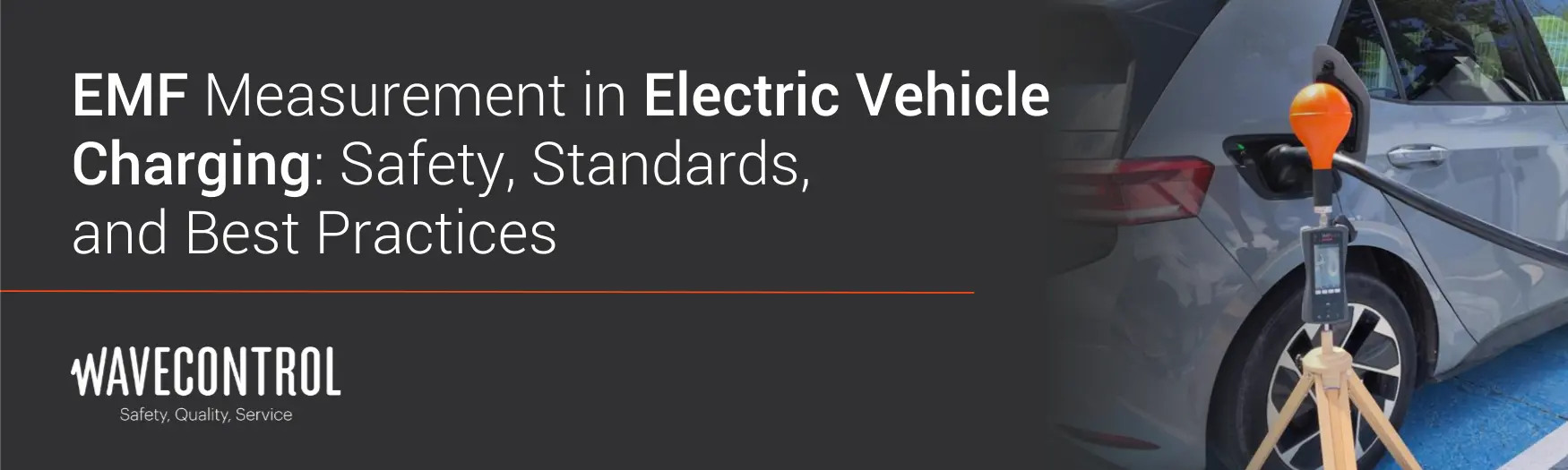
EMF Measurement in Electric Vehicle Charging: Safety, Standards, and Best Practices
Electric vehicle (EV) charging systems, whether wired or wireless, generate electromagnetic fields (EMF) that can influence human exposure. Understanding these emissions is essential for safety, regulatory compliance, and efficient design. In this article, we explain why EMF measurement matters, the standards that guide assessments, and practical recommendations for manufacturers, operators, and users.
Why EMF Measurement Matters
Measuring EMF during EV charging is not just a technical requirement, it is a critical step in ensuring health and safety. Exposure limits exist to protect the general public and, more importantly, individuals with active implanted medical devices, whose thresholds are significantly lower. Compliance with international and national standards also demonstrates a manufacturer’s commitment to safety and reduces liability. Beyond compliance, understanding EMF characteristics helps engineers design systems that minimize emissions without compromising performance.
Wired Charging: AC and DC Systems
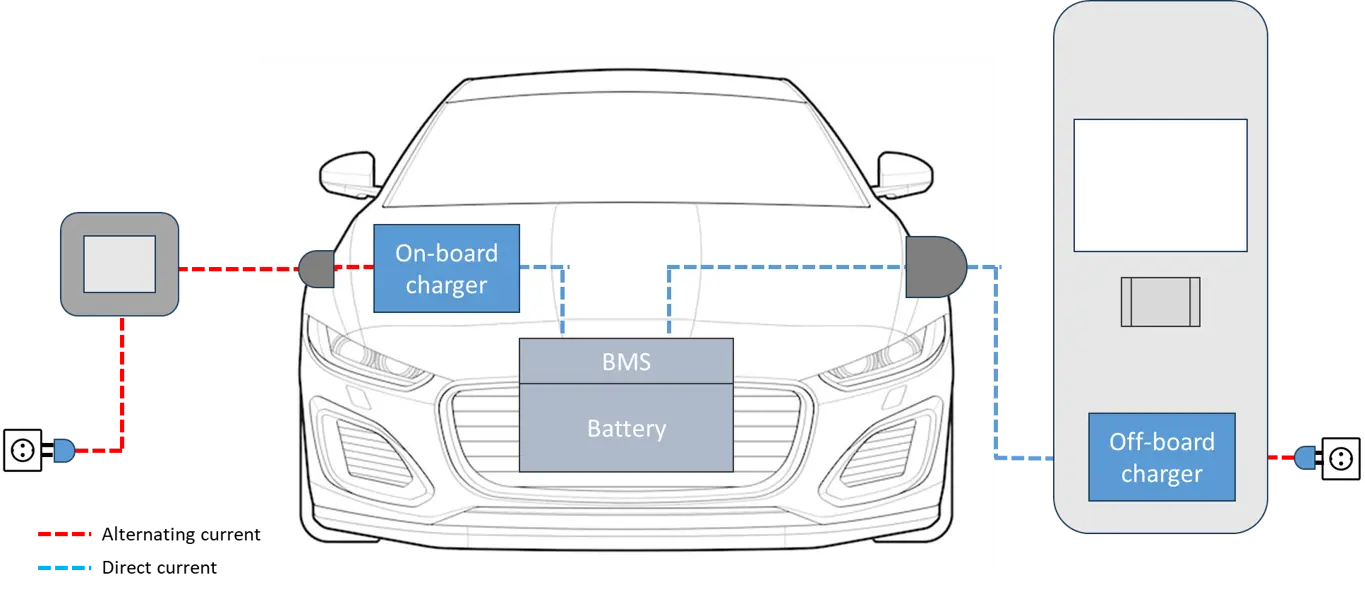
Wired charging relies on converting alternating current from the grid into direct current for battery storage. AC chargers typically operate at extremely low frequencies (50 or 60 Hz) and are divided into Level 1, which uses household outlets up to 2.4 kW, and Level 2, which reaches 22 kW for faster installations. DC fast chargers, on the other hand, deliver power from 50 kW to over 400 kW, bypassing the onboard charger for rapid charging. These systems produce more complex EMF profiles, including static magnetic fields from high currents and transient electric fields at several kilohertz to a few megahertz. The main sources of EMF in wired charging are the charger body, power electronics, cables, and connectors. Measurements must consider user proximity zones, as exposure levels vary significantly depending on distance.
Wireless Charging: Principles and Considerations
Wireless Power Transfer (WPT) systems eliminate physical connectors by using electromagnetic induction and magnetic resonance. When two coils are tuned to the same frequency, energy can be transferred efficiently without direct contact. These systems operate between 20 and 90 kHz and are governed by standards such as SAE J2954, IEC 61980, and IEEE 63184. Assessments focus on three regions: under the vehicle (where exposure is highest), outside the chassis at 20 cm, and inside the vehicle, particularly seating areas. Factors such as coil alignment, vertical gap, and charging state influence EMF levels and must be considered during testing.
How to Perform EMF Assessments
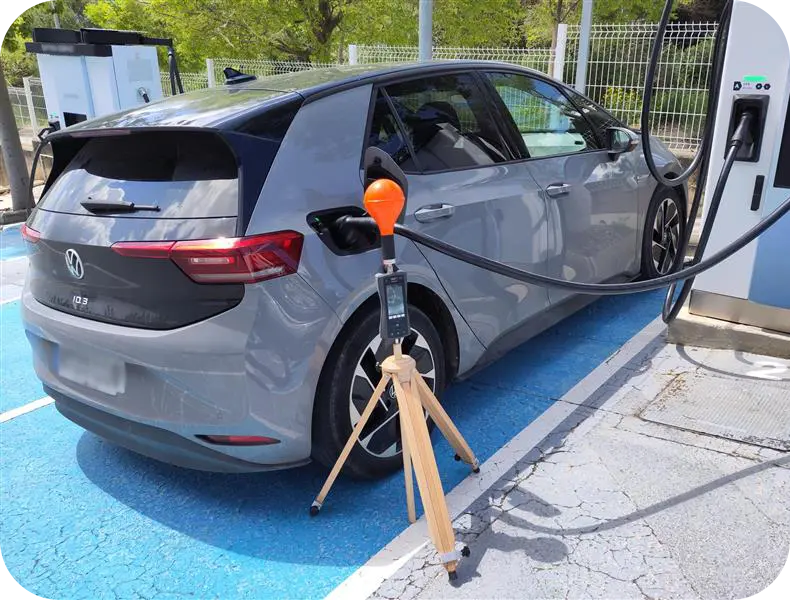
International standards recommend measuring from DC up to 10 MHz for wired systems and up to 100 kHz for wireless systems. The process involves several steps:
- Scan the entire charger to locate emission hotspots across the body, cables, and connectors for wired systems and for wireless chargers, under the vehicle near charger coils or inside and outside the vehicle.
- Analyze dominant frequencies contributing to field strength at these hotspots.
- Perform detailed measurements at 0 cm and 25 cm from the equipment surface to assess exposure risk for wired chargers and at the three zones specified in standards for wireless chargers.
- Ensure compliance with IEC 61786-1 and calibrate instruments at operating frequencies.
Wavecontrol offers a comprehensive solution with the SMP3 EMF meter, WPH-DC and WP series probes. These instruments integrate exposure limits from major standards and carry ISO 17025 ILAC-accredited calibrations, ensuring global acceptance.
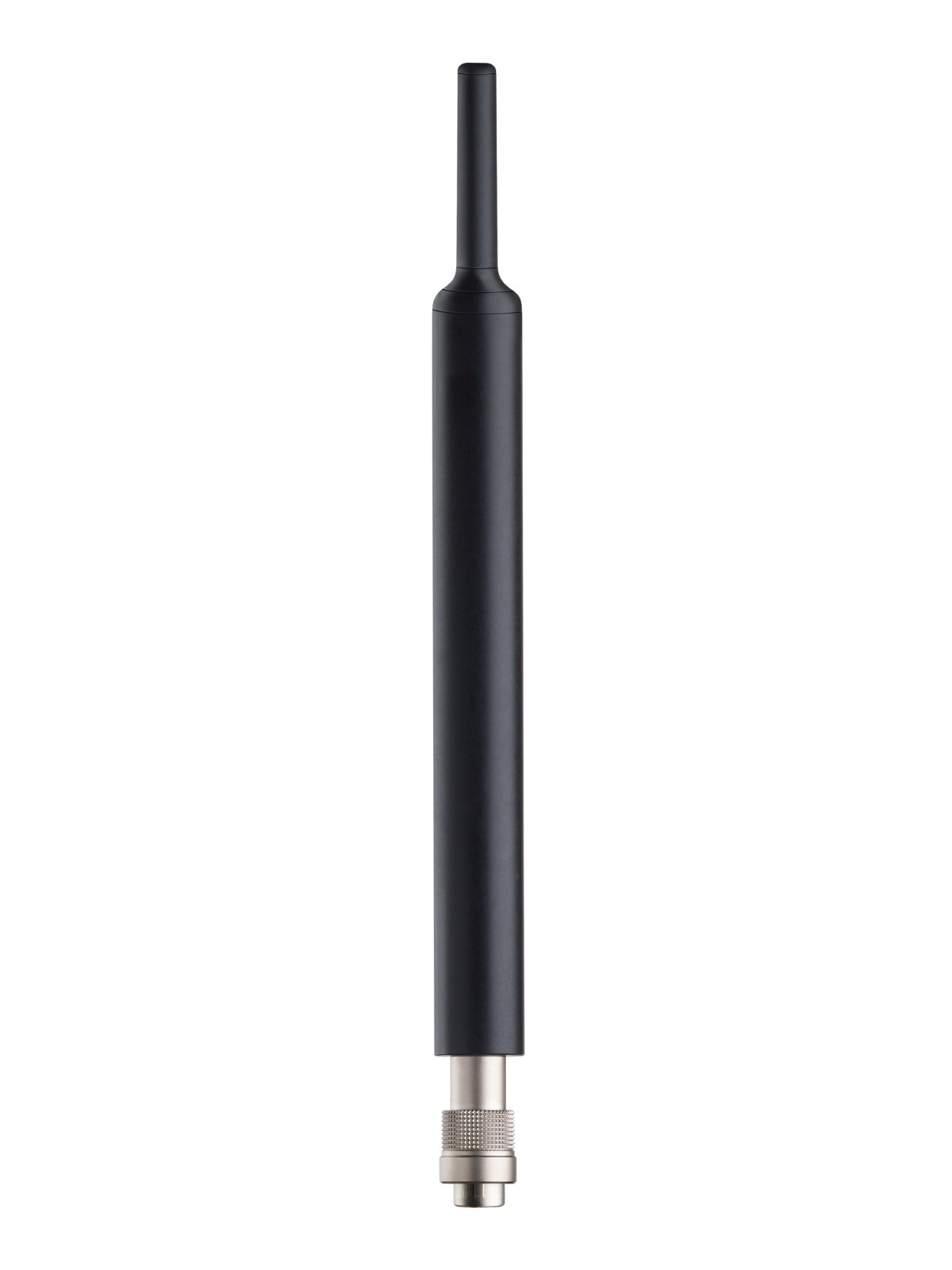 WPH-DC | 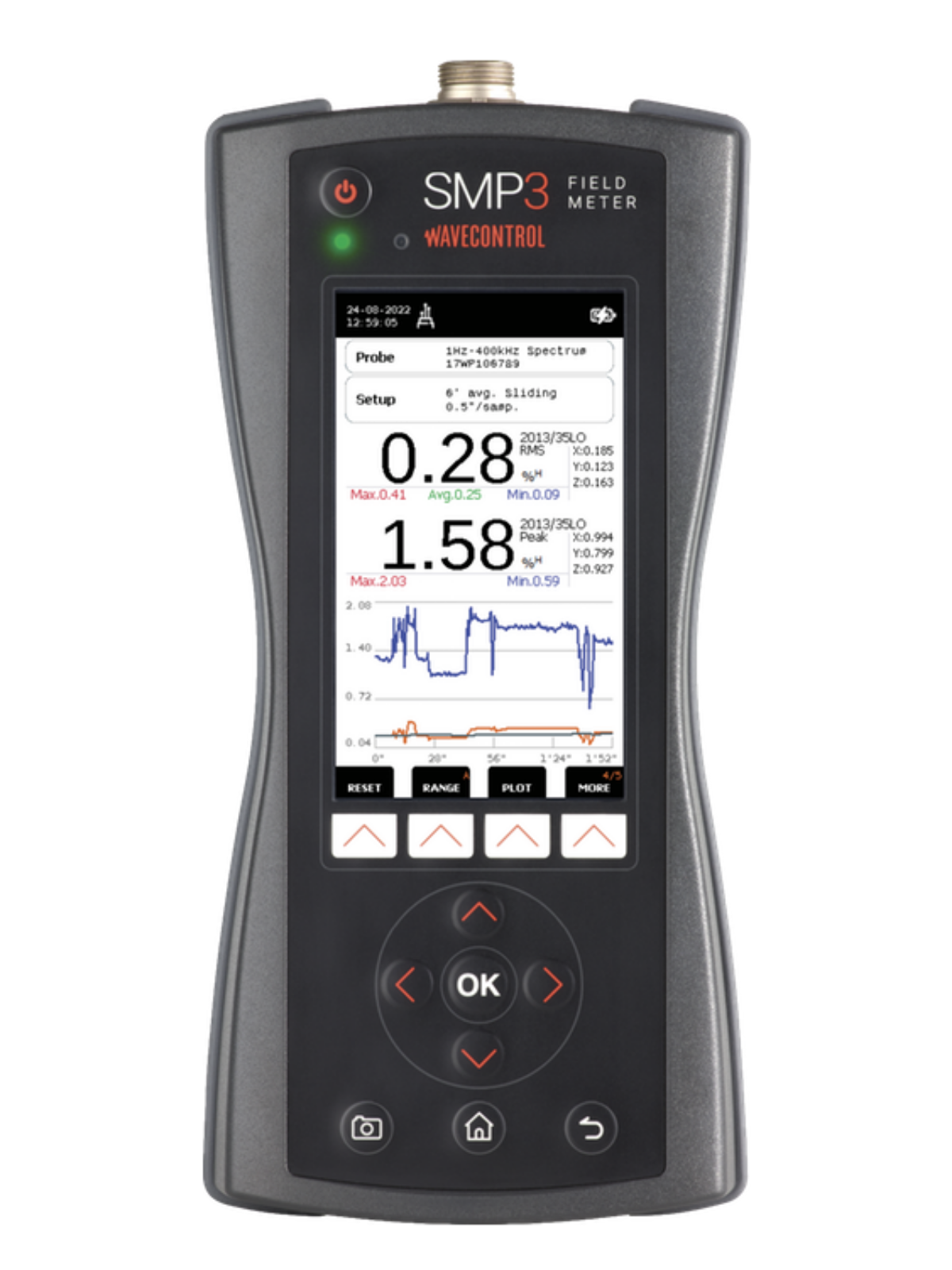 SMP3 | 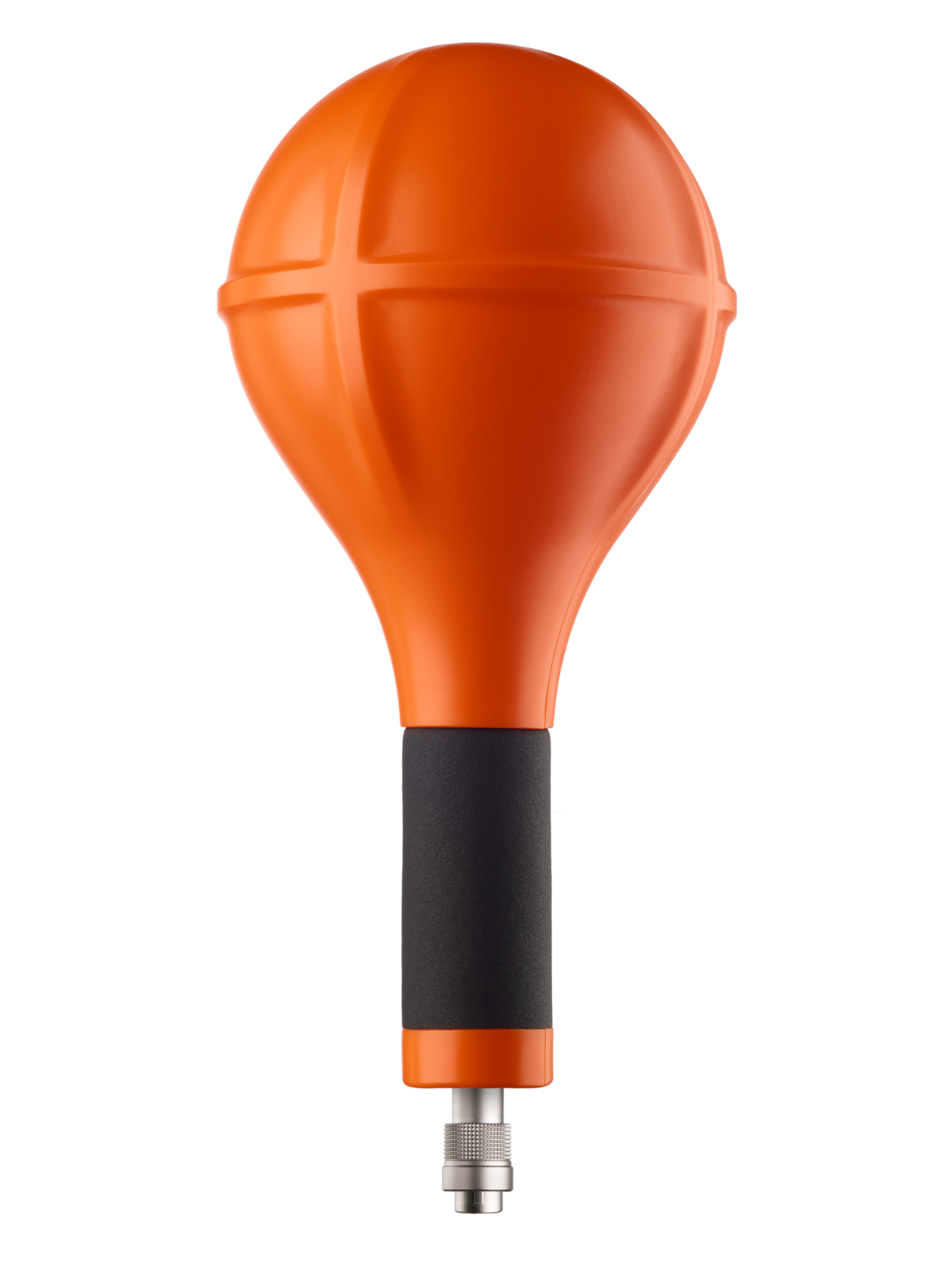 WP Series |
Key Findings and Safety Recommendations
Measurements reveal that wired AC chargers emit consistent low-frequency fields near handles and cables, while wired DC chargers produce static magnetic fields and mid-frequency electric fields. Higher power levels and coiled cables increase emissions, and user proximity remains a critical factor. To mitigate risks, manufacturers should implement shielding and proper cable routing, operators should maintain clear distances from pedestrian areas, and users, especially those with medical implants, should avoid standing close to charging cables. Regular EMF assessments during installation and maintenance are strongly recommended.
Conclusion
EMF measurement is vital for ensuring safety and compliance in EV charging systems. If you would like to explore how these solutions can be tailored to your specific needs, contact one of our experts.
Article-related FAQ
Is wireless EV charging safe?
Yes, provided systems comply with standards like SAE J2954 and IEC 63184 and exposure limits are respected.
Can EMF levels affect users with medical implants?
Close proximity to DC fast charger cables may exceed conservative thresholds. Maintaining distance is essential.
Which instruments are recommended for EMF measurement?
Wavecontrol’s SMP3 meter and its probes meet international standards for both wired and wireless systems.
If EMF assessment is not mandatory for wired EV chargers, why should manufacturers still perform it?
Although not always explicitly mandated, EMF assessment helps ensure user safety, supports compliance with applicable generic standards, improves product design, and strengthens market credibility. It reduces future regulatory and liability risks while demonstrating a proactive commitment to delivering safe, high-quality charging equipment.